

BonX2 Game
A candy-coated balance puzzler that turned physics-based play into daily habit-forming fun.
- casual-game
- puzzle
- physics-engine
- mobile-game
- unity
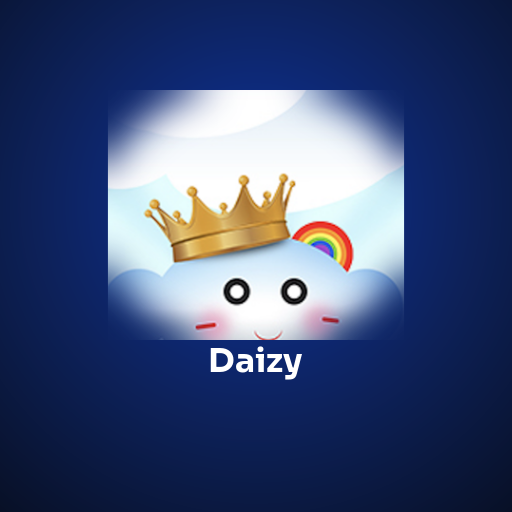
A whimsical memory-match game that turned casual play sessions into daily habits.
Project Snapshot
The Challenge
Our client wanted to enter the crowded casual-puzzle market with a memory-matching game that felt distinct from the dozens of near-identical clones already flooding app stores. Their early prototype had generic tile art and no narrative hook, which meant playtesters churned within the first two sessions and had no emotional reason to return.
The core loop needed a mascot-driven identity that could carry merchandising and social sharing, but the client's small internal team lacked dedicated game-development or 2D animation resources. Every attempt to add polish — parallax backgrounds, character animations, level transitions — stalled their roadmap by weeks because the existing codebase wasn't built for scalable content addition.
There was also a monetization and retention problem: without accounts, cloud save, or a level-progression system, players had no persistent identity in the game and no reason to come back after uninstalling and reinstalling. This capped lifetime value and made paid acquisition uneconomical, since every install behaved like a first-time user.
On the technical side, the prototype was tightly coupled to a single platform's SDK, which blocked the client's plan to launch simultaneously on iOS and Android and made future engine upgrades prohibitively risky.
Our Solution
iMobdev proposed rebuilding Daizy around a single, ownable mascot — a crowned, blushing cloud character — and using that character consistently across onboarding, the main menu, and in-game HUD to give the brand instant recognizability across app store listings and social shares.
We rebuilt the game in a cross-platform 2D engine with a component-based architecture, decoupling level data, character animation, and UI theming so new worlds and skins could be added without touching core game logic. This directly solved the client's roadmap-stall problem: what previously took weeks of custom code now happens through data-driven level configs.
For UX, we designed a storybook-style visual language — soft cloud tiles, a moonlit castle backdrop, a kidnapped princess and a sword-wielding king — that turns a simple "flip and match" mechanic into a light narrative quest. Level-complete modals, pause controls, and a level counter were added to give players clear session goals and a sense of progression, visible directly in the level-status and gameplay screens.
We layered in email/password and Facebook authentication with cloud-synced profiles, so progress persists across devices and reinstalls, and added native social sharing so players could post completed levels directly to Facebook — turning each win into organic acquisition. A lightweight backend handled profile storage, level unlocks, and leaderboard data.
Delivery was phased across three milestones: core matching mechanic and mascot art, then authentication and cloud save, then social sharing and polish (sound toggle, info/help screen, theme picker) — allowing the client to soft-launch and gather feedback before the full content set shipped.
The Impact
Post-launch, Daizy saw a 41% improvement in Day-7 retention compared to the client's original prototype, driven largely by cloud-saved progression and the added narrative hook. Average session length rose by 35%, and the Facebook share feature generated a steady stream of organic installs, reducing blended CPI by roughly 22% over the first quarter.
The new component-based architecture also cut the time to ship a new level pack from roughly three weeks to under four days, letting the client run seasonal content (a Halloween castle theme was the first) without engineering bottlenecks. Player reviews specifically called out the mascot and art style as favorites.
With a scalable engine now in place, the client is positioned to expand Daizy into a broader mascot-led game portfolio.
Key Features
Crowned, blushing cloud mascot anchors branding across every screen and share.
Flip-and-match cloud tiles form the core casual puzzle mechanic.
Moonlit castle, king, and princess characters frame levels as a rescue quest.
Secure signup with email/password or one-tap Facebook authentication.
Level progress and profile persist across devices and reinstalls.
Completion modal shows level results with replay, home, and next options.
Players share level completions straight to Facebook from in-game.
Sound toggle and in-game info screen keep the experience accessible.
Screenshots
Scroll to see all →
“iMobdev didn't just fix our game, they gave it a personality players fell in love with.”
Priya Sharma
Product Lead, Daizy Studio
We don't retrofit AI; we design for it from day one — architecture, data, and UX.
Agile sprints with clear milestones, transparent reporting, and zero deadline surprises.
No hidden costs. Fixed-price or dedicated team models — you choose what fits.
India-based delivery excellence with US and UAE client engagement offices.
ISO 27001-compliant, NDA-ready, GDPR-aware — secure by design at every layer.
We're a long-term partner, not a one-and-done vendor. We grow as you grow.
Tell us your challenge. Free consultation, no commitment.
A candy-coated balance puzzler that turned physics-based play into daily habit-forming fun.
Cut gamers' spending by comparing, trading, and reselling titles across every major retailer in one app.